Finding trusted dental care in bury st edmunds
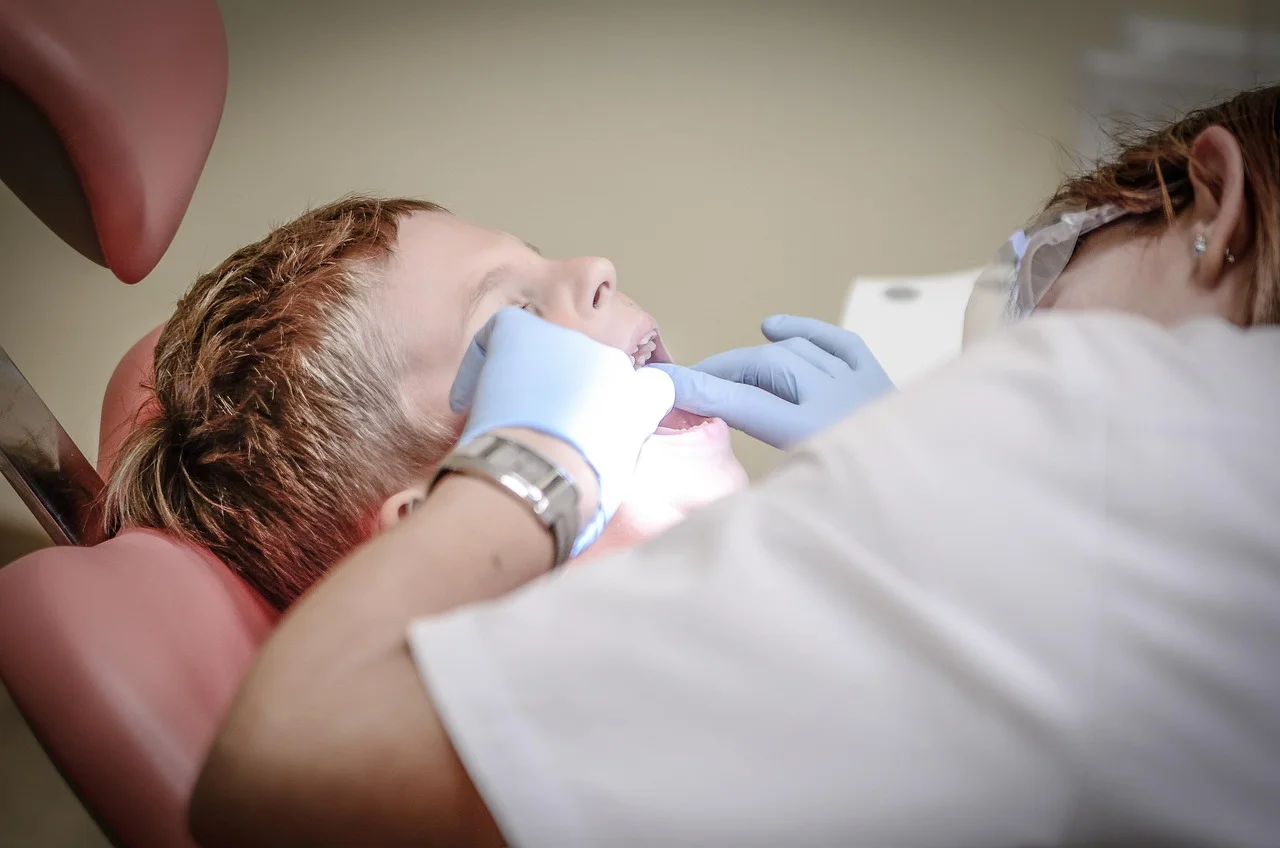
Moving to a new town or simply wanting care in your native language can make dental visits less stressful. Bury St Edmunds has a number of practices that either employ Polish-speaking staff or specialise in serving the Polish community. A familiar language can make it easier to explain symptoms, understand treatment options, and follow aftercare instructions.
If you prefer speaking Polish, searching for a local polski dentysta is a good first step. Many clinics offer friendly reception teams and clinicians who understand cultural expectations around dentistry, which helps build trust faster than starting from scratch.
Services offered by polish-speaking clinics
Whether you need a routine check-up or more complex work, clinics around Bury St Edmunds tend to cover a broad range of dental services. Below is a short table summarising common offerings and what patients can expect at a first visit.
| Service | Typical treatment | What to expect |
|---|---|---|
| Routine check-up | Examination, cleaning, X-rays if needed | 30–45 minutes, hygiene advice |
| Fillings and restorations | Composite or amalgam fillings | Local anaesthetic, 30–60 minutes |
| Root canal treatment | Cleaning and sealing the root canal | One or more visits depending on complexity |
| Cosmetic dentistry | Veneers, whitening, crowns | Consultation then phased treatment plan |
How to choose the right dentist for you
Choosing a dentist is about more than language. Look for practitioners registered with the General Dental Council (GDC), check online reviews, and ask about experience with the specific treatment you need.
Consider these practical checks:
- GDC registration and professional qualifications
- Clear pricing and treatment plans
- Availability for emergencies
- Comfort level during the first consultation
Personal recommendations from friends or community groups can be particularly useful. If you have dental anxiety, ask about sedation options or whether the dentist has experience working with nervous patients.
Costs, nhs options and private care
Dental care in the UK may be provided under the NHS, privately, or a mix of both. NHS treatment is typically cheaper for standard care, but not all services (especially cosmetic procedures) are available on the NHS.
Many Polish-speaking clinics offer both NHS and private appointments. Private care tends to offer more flexible appointment times and a wider choice of materials or cosmetic options, while NHS care focuses on essential treatment.
Always request a written estimate before treatment. Ask about payment plans if you anticipate larger bills; many practices offer staged treatments or financing options to spread costs.
Practical tips for attending your first appointment
Preparing for your first visit helps things run smoothly. Bring any previous dental records if available, a list of medications, and be ready to discuss your dental history.
When you arrive, explain any communication preferences—if you prefer Polish, mention that at booking so staff can accommodate you.
- Arrive a few minutes early to complete forms.
- Be honest about pain, sensitivities, and past dental experiences.
- Take notes during consultation or ask for written care instructions.
- Bring a friend or family member if that helps you feel more comfortable.
Frequently asked questions
Can I use nhs dental services as a resident?
Yes, if you are eligible for NHS dental care in England you can register with an NHS dentist. Check with the practice which NHS services they offer, as some treatments may only be available privately.
How do I verify a dentist’s qualifications?
Ask for the dentist’s name and check the General Dental Council (GDC) online register. Practices should be transparent about staff qualifications and any special training.
Is it common to find Polish-speaking staff in Bury St Edmunds?
In towns with active Polish communities, many practices either employ Polish-speaking receptionists or have clinicians who speak Polish. Calling ahead is the easiest way to confirm language support.
What should I do in a dental emergency?
Contact your dentist immediately—most practices reserve slots for urgent care. If outside practice hours and it’s an emergency, NHS 111 can advise on the nearest urgent dental service.