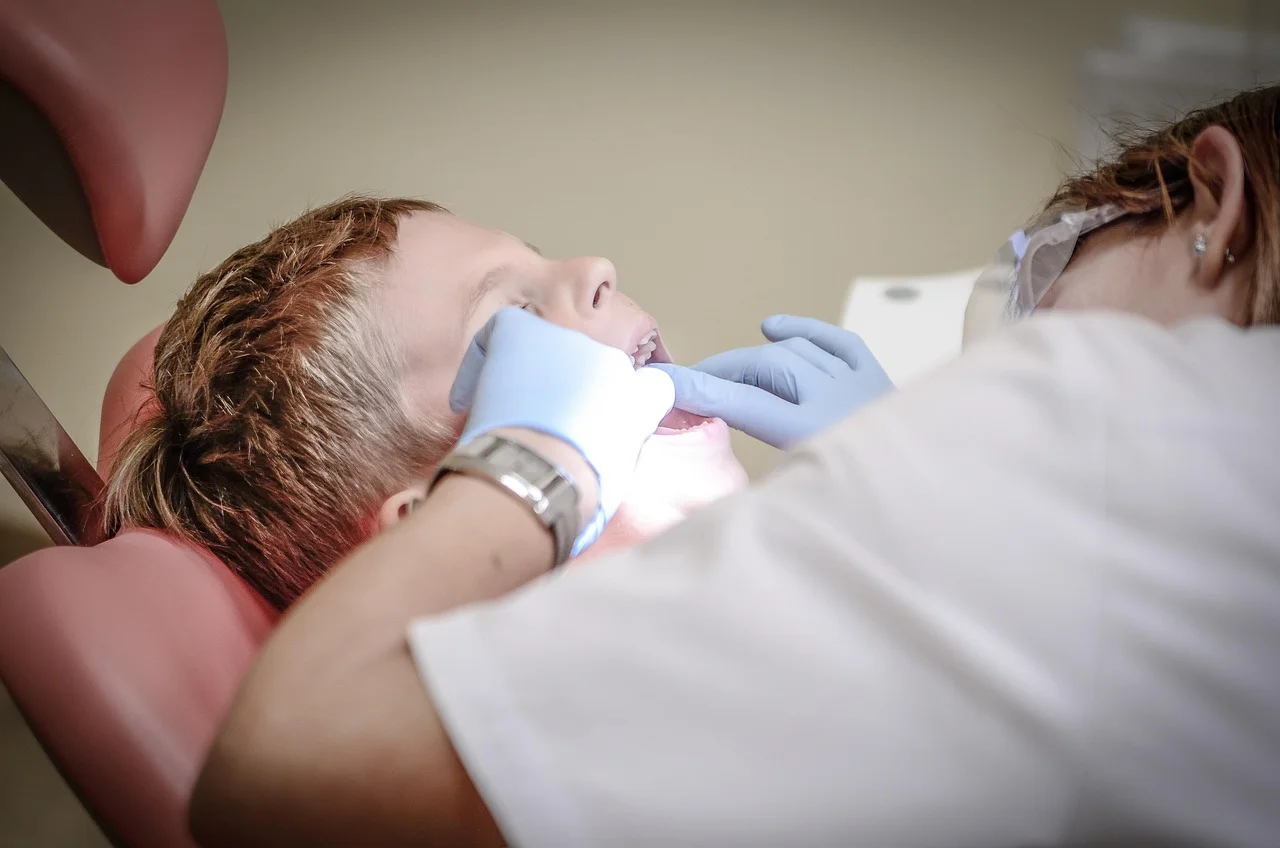
Pre-treatment medical overview
Before any tooth restoration, a clear medical picture is essential. Dentists in England will typically ask about your general health, medications, and any allergies. This helps to identify risks such as bleeding disorders, drug interactions or conditions that could affect healing.
Be ready to share recent hospital visits, ongoing treatments and whether you smoke or drink heavily. Even seemingly small details—like a past joint replacement—can influence antibiotic planning or treatment timing.
Dental examination and imaging
A thorough dental exam locates decay, assesses gum health and checks bite alignment. Visual inspection alone is often insufficient; imaging fills the gaps.
Common imaging types
| Check | Why it’s done |
|---|---|
| Periapical X-ray | Shows root and bone health around a specific tooth |
| Panoramic X-ray | Gives a broad view of jaws, sinuses and impacted teeth |
| CBCT (if needed) | 3D imaging for complex implants or surgical planning |
Imaging helps your dentist decide if a simple filling, crown, root canal or more complex intervention is needed. It also reduces the chance of surprises during treatment.
Managing chronic conditions
Chronic illnesses such as diabetes, heart disease or immune disorders change how your body responds to dental work. Well-controlled diabetes, for example, lowers infection risk and improves healing after restoration.
Coordination between your dentist and GP is often recommended. Adjustments to medications (like blood thinners) may be necessary, and these decisions should always be made together with medical professionals.
Preparing for restorative procedures
Preparation varies by procedure. A straightforward filling may only need local anaesthetic, while crowns or implant work might require impressions, temporaries and several visits.
Discuss anaesthetic options, costs and expected timelines with your dentist. Also review aftercare expectations so you can arrange time off work if needed. For comprehensive restorative care, including options for rebuilding a damaged tooth, consider reading further about odbudowa zęba to understand techniques and pricing that might apply to your case.
Aftercare planning and follow-up
Good aftercare protects your investment and reduces complications. Your dentist will give specific instructions, but general measures are consistent.
- Maintain oral hygiene with gentle brushing and flossing
- Avoid hard or sticky foods on new restorations for a few days
- Attend scheduled follow-up appointments to check fit and healing
If you notice persistent pain, swelling or fever after restorative work, contact your dental team immediately. Early action prevents small problems from becoming serious.
FAQ
Do I need a full medical history before tooth restoration?
Yes. A complete medical history helps your dentist spot issues that could affect treatment, such as allergies, medications or chronic illnesses.
Will my GP be involved in dental planning?
Sometimes. If you take complex medications or have serious health conditions, your dentist may consult your GP to coordinate safe care.
How long is recovery after a crown or implant?
Recovery varies: crowns typically require little downtime, while implants need weeks to months for full integration. Follow your dentist’s guidance for best results.