Health screening basics
Routine health screening is your first line of defense. Simple tests catch issues early and give you control over long-term outcomes. Knowing which checks to prioritize depends on age, family history and lifestyle.
For most people aged 15–40, basic blood tests, blood pressure monitoring and dental evaluations are sensible starting points. Regular screening builds a baseline so changes become easier to spot.
Common dental tests and why they matter
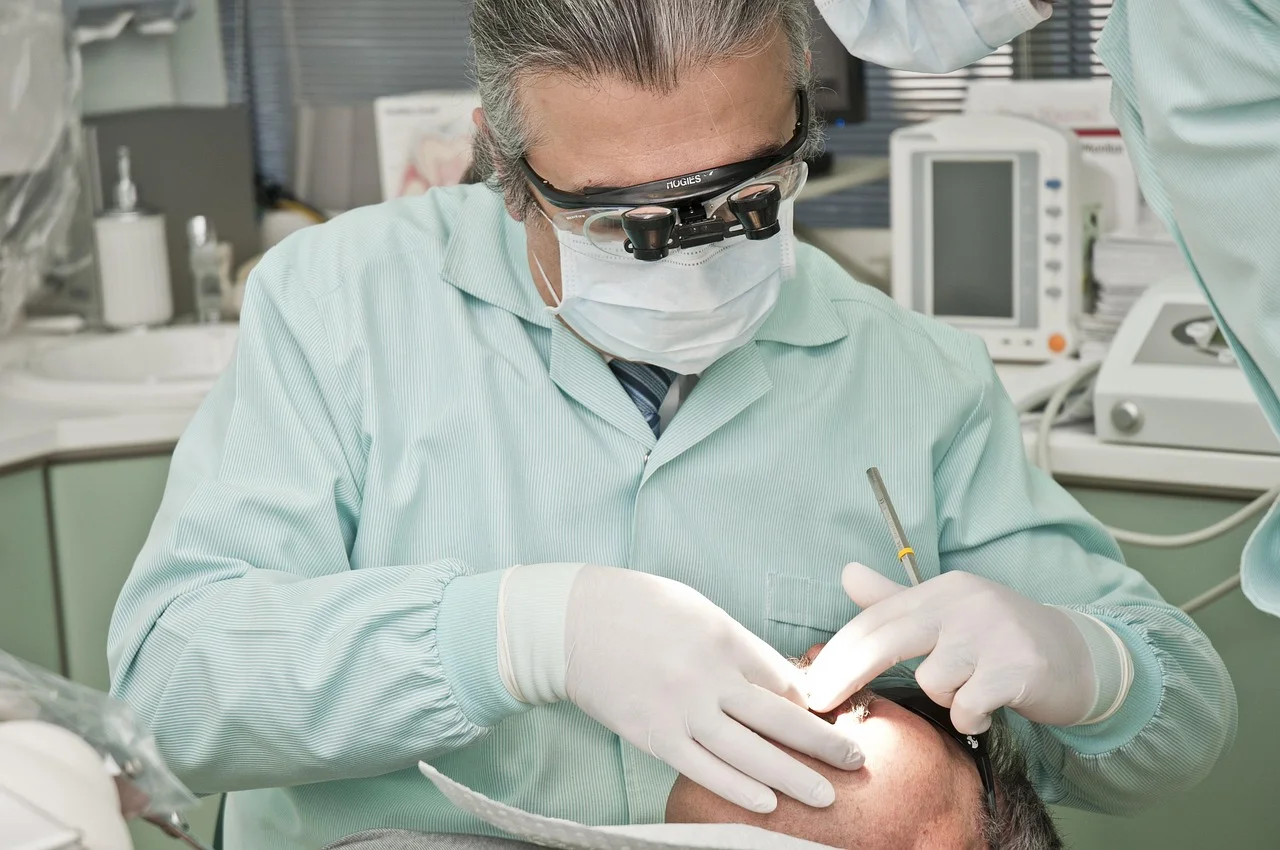
Dental health is often overlooked, yet it affects overall wellbeing. A dentist will usually perform a visual exam, periodontal probing and X-rays when needed to check for cavities, bone loss or hidden infections.
- Visual exam and cleanings: identify plaque, decay and gum inflammation.
- Dental X-rays: reveal cavities between teeth and jawbone issues.
- Periodontal assessment: measures gum pocket depth, a key marker for gum disease.
Early detection saves time, money and discomfort. If you notice persistent pain, bleeding gums or loose teeth, book an appointment promptly.
Understanding lipid tests and when to get them
Lipid tests measure cholesterol and triglycerides, which are important predictors of cardiovascular risk. Doctors often recommend testing every 4–6 years for healthy adults, or more frequently if you have risk factors like smoking, obesity or a family history of heart disease.
You might be wondering about cost when scheduling tests. To compare local lab fees and make an informed decision, search resources that list prices—for example, check lipidogram cena to see current pricing and options in your area.
Results typically include total cholesterol, LDL (bad), HDL (good) and triglycerides. Small lifestyle changes—better diet, regular exercise and quitting smoking—can meaningfully improve these numbers.
Typical treatments and what to expect
Treatments depend on the condition. For minor dental issues, fillings and professional cleanings often solve the problem. More advanced cases may need root canals or periodontal therapy.
For abnormal lipid results, physicians may first recommend lifestyle modification. If targets aren’t met, medications such as statins are commonly prescribed. Monitoring frequency increases once treatment begins.
| Test | What it measures | Typical price range |
|---|---|---|
| Basic lipid panel | Total cholesterol, HDL, LDL, triglycerides | $20–$60 |
| Comprehensive metabolic panel | Electrolytes, kidney and liver function | $30–$80 |
Preventive tips and when to seek help
Small, consistent habits protect your health: brush and floss daily, maintain a balanced diet, exercise regularly and avoid tobacco. Schedule regular check-ups and keep a record of test results.
If you experience chest pain, severe shortness of breath, sudden swelling or uncontrolled bleeding after dental work, seek emergency care. For non-urgent concerns like persistent gum bleeding or gradually rising cholesterol, see your dentist or primary care doctor for follow-up.
How often should I have a lipid test?
Healthy adults usually test every 4–6 years. If you have risk factors or are on medication, your doctor may recommend testing more frequently.
Do dental X-rays expose me to a lot of radiation?
Modern dental X-rays use very low radiation. When clinically necessary, benefits typically outweigh risks. Discuss frequency with your dentist if you’re concerned.
Can lifestyle changes really lower cholesterol without medication?
Yes—many people see meaningful improvements through diet, weight loss, and exercise. Medication is considered when lifestyle measures aren’t enough or risk is high.