Pre-treatment health screening: why it matters
Before a dentist starts restoring teeth, especially complex restorations, they usually look beyond the mouth. A few key blood tests and medical questions reveal risks that can change both timing and technique. Good screening protects the patient from complications such as excessive bleeding, infection, or poor healing.
Understanding your general health also lets the dental team coordinate with your physician when needed. For younger, healthy patients this may be quick; for those with chronic conditions, screening is vital to a safe outcome.
Common tests dentists order before restoration
Not every patient needs the same panel. The choice depends on the proposed procedure, your medical history, and medications you take. Here are the tests most often considered:
| Test | Why it’s useful | When it’s ordered |
|---|---|---|
| CBC (complete blood count) | Checks anemia and infection markers | Before major surgery or if bleeding risk suspected |
| Coagulation profile (PT/INR, aPTT) | Assesses bleeding/clotting function | If on anticoagulants or history of bleeding |
| HbA1c | Measures blood sugar control over months | Diabetic patients or when healing is a concern |
| C-reactive protein (CRP) | General marker of inflammation | If active infection or systemic inflammation suspected |
How results change treatment planning
Test results often shift the plan in obvious ways. Low hemoglobin might delay elective surgery until anemia is treated. Abnormal clotting tests can lead to modifying or pausing blood-thinning medication in consultation with a physician.
Other findings affect restorative choices: uncontrolled diabetes raises the risk of infection and implant failure, so clinicians may choose less invasive options until control improves. For example, when healing or gum support is a concern, a dentist may postpone placement of a most protetyczny and opt for a temporary solution while systemic issues are addressed.
Patient preparation and risk reduction
Preparing for tooth restoration is a team effort. Patients can take simple steps that make the procedure safer and the recovery faster.
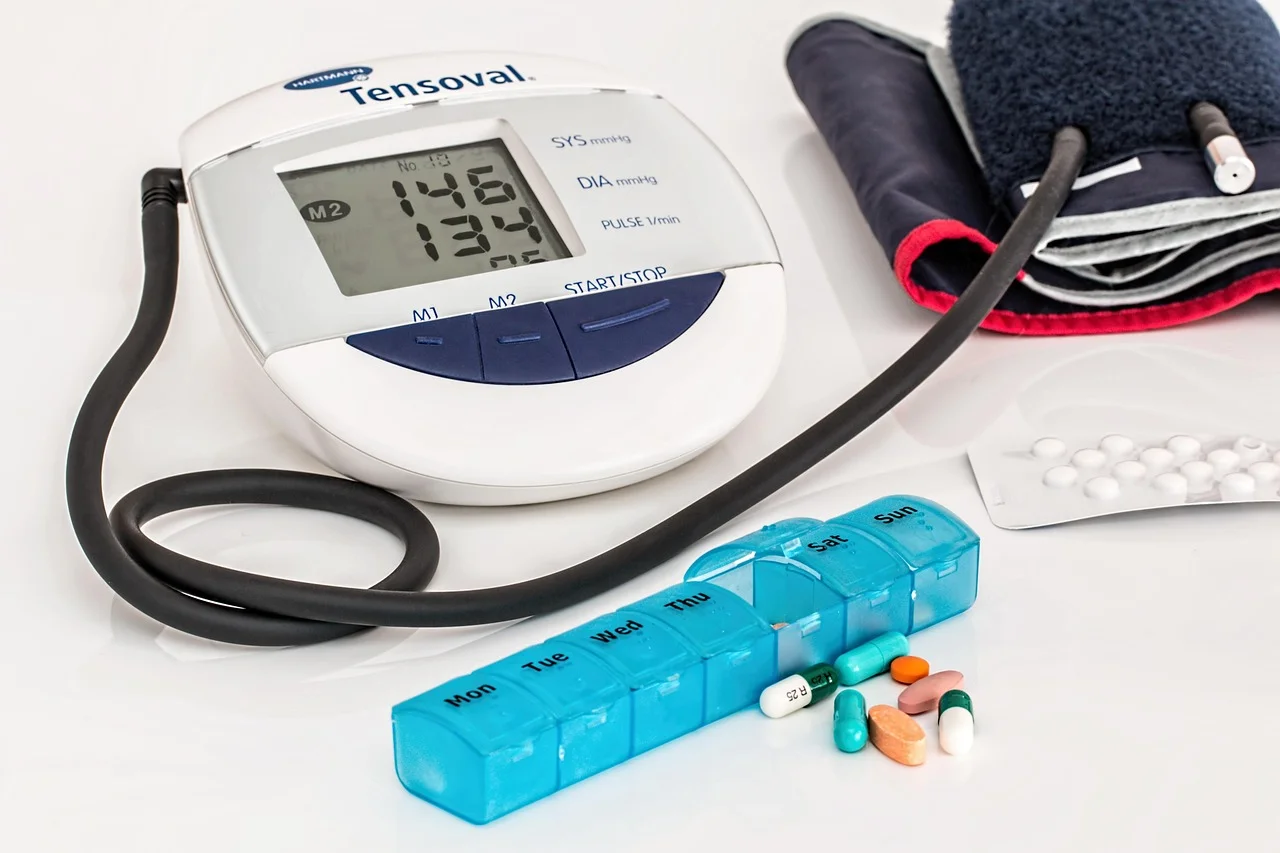
- Optimize blood sugar and blood pressure under your doctor’s guidance
- Disclose all medications, including supplements and over-the-counter drugs
- Complete any prescribed antibiotics or dental cleanings beforehand
Communication is key. If you have heart conditions, artificial joints, or immune issues, your dentist may tailor antibiotic prophylaxis or healing protocols. Smoking cessation and good oral hygiene also significantly improve outcomes.
Follow-up screening and long-term success
After the restoration is completed, monitoring continues. Short-term checks focus on infection, bleeding and pain control; long-term follow-up looks at function and the health of surrounding tissues.
Periodic reassessment of systemic health—like renewed HbA1c testing for diabetics—helps protect the investment in restorative work. When medical conditions are stable, prosthetic solutions last longer and perform better.
How soon before dental restoration should I get blood tests?
Timing varies, but many dentists request tests within a few weeks of the planned procedure. Urgent or emergent cases may need point-of-care testing on the day of treatment.
Are blood tests always required for a dental bridge or crown?
No. Routine restorations for healthy patients often proceed without testing. Blood work is recommended when there is a medical history, current symptoms, or planned surgical interventions.
Can test results prevent me from getting dental implants?
Not necessarily prevent, but they can delay or alter the approach. Poorly controlled systemic conditions increase risks; addressing these first improves implant success rates.