Why regular industrial cleaning matters
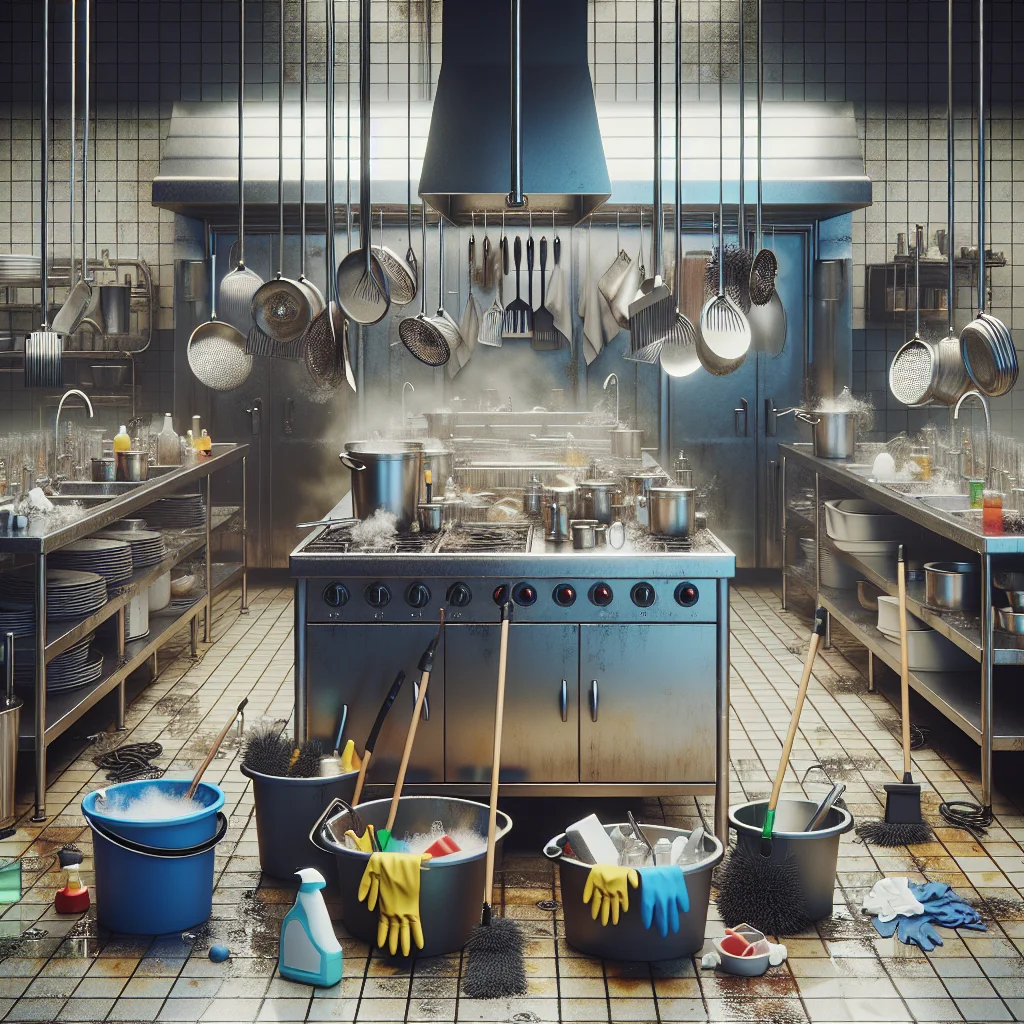
Keeping a commercial kitchen compliant is about more than passing inspections. It protects staff, customers and your reputation. Grease buildup, pest risks and cross-contamination all increase when cleaning is inconsistent.
Regulatory bodies expect documented routines and safe practices. Regular cleaning reduces the chance of foodborne illness outbreaks and costly shutdowns that can devastate a small business.
Key compliance areas to focus on
Focus where hazards are most likely to form: cooking equipment, extraction systems, drains and cold storage. These areas often hide residues that encourage bacteria and pests.
- Hood and duct grease accumulation
- Deep cleaning of ovens and fryers
- Sanitization of food contact surfaces
Choosing professional cleaning partners
For complex systems like extractor hoods and ductwork, hiring specialists is usually the most effective option. Professionals bring the right tools, waste disposal routines and certificates that demonstrate compliance.
Many kitchens partner with companies offering scheduled maintenance and emergency clean-ups. If you need certified help with heavy-duty areas, consider contacting reputable providers of industrial kitchen cleaning services who can tailor plans to your operation.
| Task | Suggested frequency |
|---|---|
| Hood and duct deep clean | Every 3–12 months (based on use) |
| Floor and drain degrease | Weekly to monthly |
| Food-contact surface sanitization | After each service period |
Best practices to maintain compliance daily
Create simple checklists that staff can follow during shifts. When duties are clear and recorded, audits become smoother and training is easier.
Train employees on proper chemical use, storage and PPE. Even routine actions like how to clean cutting boards or empty grease traps can determine whether you meet health standards.
Keep maintenance logs and invoices from contractors. Documentation proves due diligence and speeds up corrective action if inspectors flag an issue.
how often should my kitchen be deep cleaned?
Frequency depends on volume of cooking and type of food prepared. High-use kitchens often require monthly or quarterly deep cleans for hoods and ducts; lower-use operations may extend that interval. A professional assessment is the best guide.
do I need certificates from cleaning companies?
Yes. Reputable firms provide documentation of work completed and may issue compliance certificates. Keep those records with your internal logs for inspections.
what are common inspection fail points?
Pests, inadequate temperature control in storage, grease in extraction systems and lack of sanitation records are frequent problems. Addressing these proactively reduces risk.